Evidence Based


 Updated on:
20.08.2025
Updated on:
20.08.2025
 5 min read
The body experiences several alterations when stress or anxiety levels are elevated. Your respiration may speed, your heart rate may quicken, and you may have physical symptoms like shaking and dizziness. Along with an uneasy stomach, you might also feel butterflies in it. As a consequence, nausea brought on by worry is also typical.
Nausea brought on by anxiety might make you feel lightheaded or sick to your stomach. However, with a few food changes and medicine, you may be able to control your nausea and anxiety. This article will define anxiety disorders and go into their causes, treatments, and coping techniques.
Stress and worry have been linked to an increased risk of gastrointestinal issues, according to recent research . It is crucial to treat nausea and anxiety at the same time.
The fight-or-flight reaction is triggered by anxiety, which readies your body and mind to deal with a potentially hazardous circumstance. This feeling is a normal reaction to a stressful situation, and it may help you survive if needed. Your body releases several hormones during this reaction. These hormones can affect almost every bodily system. Certain hormones may cause nauseating feelings in the stomach by upsetting the gut flora as they reach the digestive system.
Anxiety-related gastrointestinal problems, including nausea, are prevalent. This trend is due to the fact that, after the brain, the digestive system contains the second-highest concentration of nerves in the body. The stomach is referred to as the “second brain” by some scientists. It also explains why stomach issues and nausea may arise from the hormones and chemicals produced during worry.
Therefore, you may feel a little queasy when you’re really anxious. It’s comparable to the feeling of having butterflies in your stomach before making a speech in front of a big crowd or going on a job interview. This specific illness may clear rapidly.
However, anxiety-related nausea can occasionally leave you feeling completely sick. Your stomach can be churning so much that you feel like you need to use the restroom. You could even feel like vomiting or dry heaving.
Anxiety is a common emotion, and it’s not necessarily a bad thing. It might be an issue, however, if you experience nausea and anxiety on a regular basis.
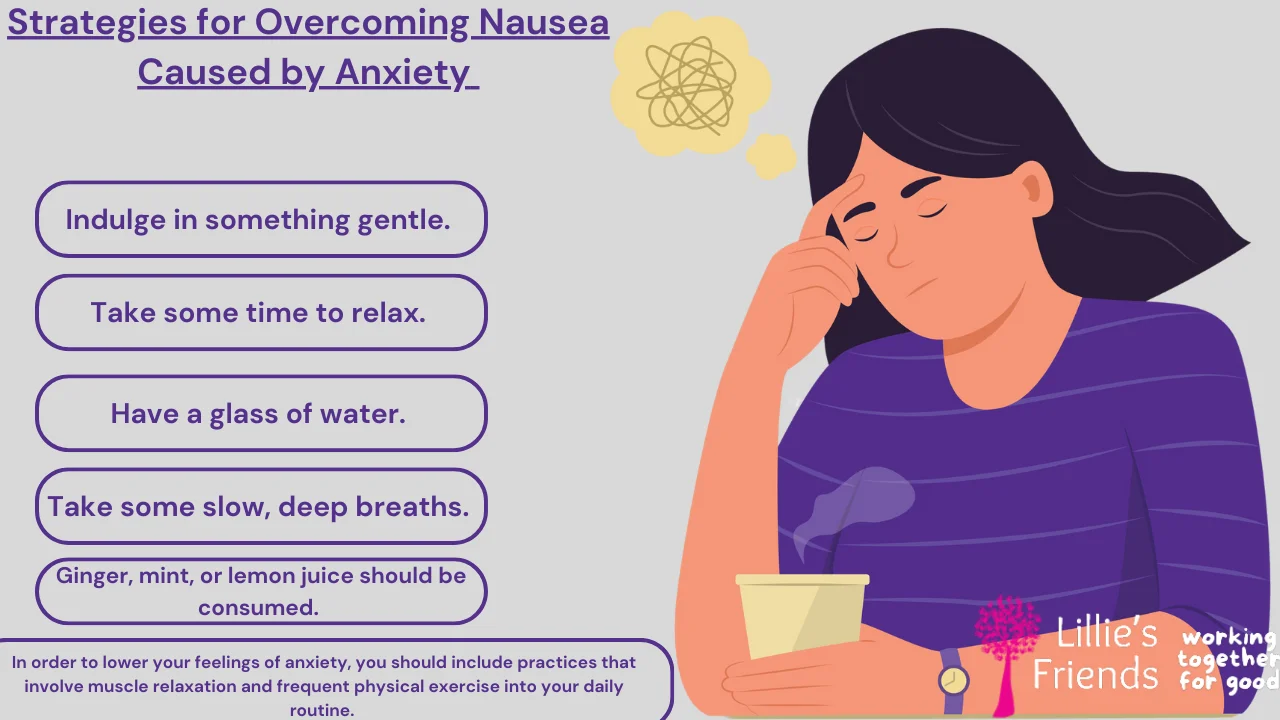
If nausea and anxiety aren’t life-threatening, there are many ways to help manage them.
If your nausea continues or becomes worse, you may also take action to halt vomiting. If you’re feeling queasy:
If you frequently experience nausea due to anxiety, there are certain medications that could potentially help. anxiety Promethazine, for example, is used to treat allergies, dizziness, nausea, and vomiting. Off-label use for the treatment of anxiety may also be prescribed by doctors.
Additionally, it’s possible that the anxiety meds you’re taking are making you feel queasy. For example, a psychiatrist could suggest an anxiety treatment from the selective serotonin reuptake inhibitor (SSRI) family of antidepressants. This kind of medication increases the body’s serotonin levels, which may cause nausea. If so, talk to your doctor or psychiatric expert about pharmaceutical choices that might help you manage the unpleasant side effects of nausea and anxiety.
Nausea is a typical indicator of high anxiety or stress. The nausea that results from worry goes away once you’re relaxed and back to normal. If you have nausea for a prolonged length of time, it may be due to other causes. A medical professional can help you determine what is really causing your nausea.