Evidence Based


 Updated on:
20.08.2025
Updated on:
20.08.2025
 7 min read
One of the most prevalent mental illnesses is anxiety. About 40 million individuals in the US suffer from mental illness, according to the National Alliance on Mental Illness.
Anxiety often arises in reaction to a danger or when confronted with a difficult circumstance, such as a job interview or a public performance. In this instance, it heightens awareness and motivates action. However, anxiety might interfere with your daily life if it becomes worse. Let’s explore more about the signs of anxiety attacks and how to prevent them down below.
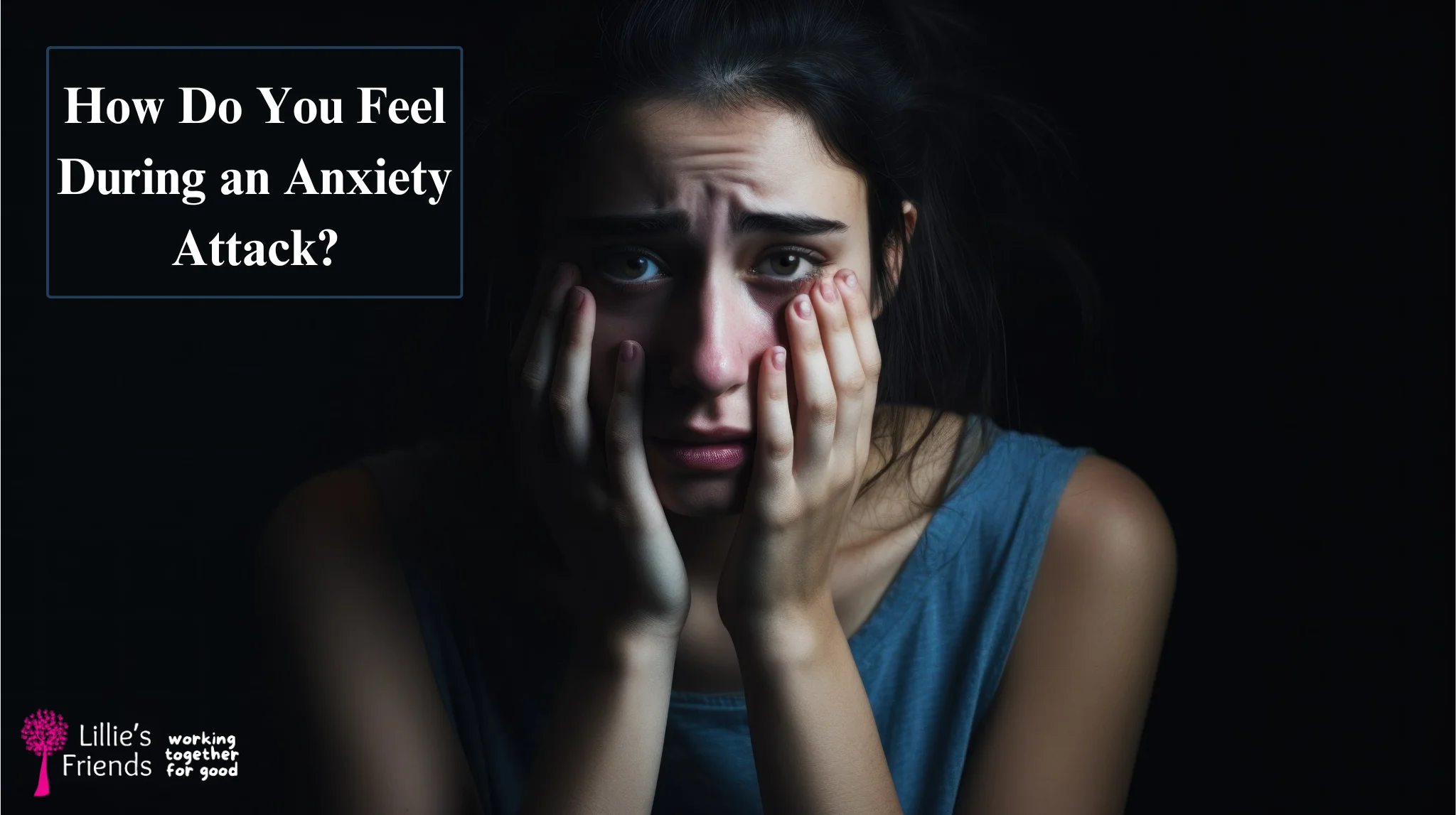
The symptoms of an acute anxiety episode might differ from person to person. But there are other typical indicators, like
A strong anxiety episode might peak after several minutes and then either gradually or suddenly fade. Additionally, anxiety attacks cause worry about having them again, which makes a person avoid places where they have previously happened.
The physical and mental symptoms of a panic attack are similar to those of an anxiety attack, but their origins and intensities are different.
Stressful events or perceived warnings often trigger severe anxiety episodes. It may be felt just by thinking about going on a first date, going to a party, going to a job interview, etc. Anxiety symptoms often develop gradually as a result of recurrent thoughts about the impending event or its possible outcomes. They might continue for a while before intensifying and turning into an actual assault.
A panic attack, on the other hand, develops more quickly and might happen without any obvious cause. The symptoms appear suddenly, spike quickly, and then subside over a few minutes. Professional assistance is advised in this situation since a patient with panic disorder may have recurring panic attacks and yet be unable to pinpoint their source.
Panic attacks and severe anxiety episodes both have the potential to lower quality of life. Mental health specialists can assist you in determining the underlying reasons for these symptoms, selecting suitable therapies, and learning about evidence-based self-help techniques.
Anxiety attacks do not have one identifiable cause. A number of things may cause them, and it’s not always the same thing for the same individual.
Stress-related anxiety attacks are frequent, but it’s crucial to understand what could trigger such extreme stress. Among the causes are
Some frequent risk factors associated with anxiety episodes include the following:
If you receive an anti-anxiety medication, you can use it to manage severe symptoms. Alternatively, you can try mindfulness exercises, deep breathing, and muscle relaxation. On the other hand, there are a variety of coping mechanisms that you may use consistently over an extended period of time to either lessen or eliminate anxiety episodes.
One of the best practices for lowering stress, elevating happiness, and maintaining excellent health is exercise. The majority of medical specialists suggest that patients start small, like going for a 30-minute walk, and then gradually increase their level of exercise.
Caffeine and nicotine are known to provide an energy boost. Patients with anxiety disorders are often recommended to reduce their use of coffee and energy drinks since, while this energy may encourage them to be busy, it might exacerbate their illness.
Most often, people suggest meditation, yoga, and visualization as alternatives. For example, when an anxiety attack begins, the sufferer may picture a peaceful, secure environment. In addition to helping people use critical and rational thinking and manage their emotions, breathing exercises and mindfulness practices may also help individuals feel less anxious or afraid.
Fruits, vegetables, proteins, fiber, and the right amount of water are all components of a nutritious diet. It gives all the nourishment required for the body and mind to operate properly and leaves one feeling renewed.
Sleep difficulties exacerbate two mental health disorders: anxiety and sadness. Fatigue brought on by insomnia and other sleep problems may trigger anxiety episodes. Getting between six and eight hours of sleep a night helps people feel relaxed and refreshed for the next day.
Writing in your journal about your experiences, triumphs, and struggles may help you decompress. Reading about joyful memories or times you overcome challenges might assist when you feel like your life is falling apart during a severe anxiety attack. Maintaining a diary facilitates the tracking of effective coping mechanisms and triggers.
An important component of treating anxiety disorders is psychoeducation. Talk to your doctor to learn more about the illness and recovery options. For those who suffer from anxiety, group therapy sessions may be helpful at times since they allow for the sharing of experiences and insightful advice.
Treatment often consists of a mix of counseling, medication, and lifestyle changes.
For anxiety episodes, talk therapy, also known as psychotherapy, is typically the first line of treatment. It may assist you in understanding the underlying reasons of the illness and in creating appropriate coping strategies. It also helps identify and change negative thinking patterns and behaviors that contribute to anxiety.
Depending on how they work, medications may reduce anxiety in various ways. Typically, doctors recommend the following choices:
Although self-help techniques and routines are beneficial for maintaining your mental health, they are not always sufficient. If you notice that your anxiety attacks are becoming more severe or frequent, you should think about seeing a doctor to have your symptoms evaluated and to obtain appropriate treatment, such as medication or psychotherapy.

The first thing to do is to make everything calm. Assure them of their safety, support deliberate, calm breathing, and help them stay in the present moment. Don’t forget to get medical attention if the individual has persistent or severe symptoms.
Abrupt, strong feelings of fear or fright, lightheadedness, perspiration, trembling, dyspnoea, chest pain, or discomfort may all be symptoms of a small anxiety episode. Furthermore, it may result in a fast heartbeat. Although these sensations might be distressing, they usually go away soon.
Seeking prompt medical assistance is crucial if anxiety is acute or if there is fear about a potential medical emergency, such as a heart attack. Furthermore, the individual needs to think about going to the ER if they are still unable to manage their symptoms after using coping techniques.
Physical manifestations of severe anxiety episodes include depersonalisation, breathing problems, lightheadedness, and chest discomfort.
If you had abrupt, intense, and severe feelings of panic or dread in addition to physical symptoms like sweating, lightheadedness, shaking, a fast pulse, and dyspnea, you may have been having an anxiety attack.