Evidence Based


 Updated on:
27.08.2025
Updated on:
27.08.2025
 7 min read
Most people understand depression in terms of moods and feelings. For the majority of people, it is about bad times and whether or not specific feelings are present. Depression is more than this, though.
Because major depressive illness impacts how a person feels, thinks, and acts, it can make it difficult for them to operate normally. More importantly, it affects the brain in a big way. Research now demonstrates the distinct disparities between a normal brain and a depressed brain. Continue reading to learn more about how depression affects the brain and how to treat it effectively.
The structure and function of the brain are affected by depression. Size changes, the actions of different neurotransmitters, and the way oxygen reaches the brain are all examples of these consequences. These are the primary cerebral impacts of depression.
Shrinkage is one of the brain abnormalities associated with depression. According to research , individuals with depression have shrinkage in many brain areas as their gray matter volume decreases. There are many brain cells in the gray matter volume, and their optimal functioning is impacted by their loss. The areas most impacted are:
The exact order in which brain inflammation and depression occur is unknown to experts. Nonetheless, there is a clear correlation between a person’s duration of depression and brain inflammation. Translocator protein levels are greater in people who have experienced a severe depressive disorder episode. The substance is connected to inflammation in the brain, which results in a variety of neurological issues:
Hypoxia, or low oxygen levels in the body, is also associated with clinical depression. According to a 2013 study (published in “Progress in Neuro-Psychopharmacology and Biological Psychiatry,” June 2013), individuals with major depressive disorder and bipolar disorder have higher-than-normal HIF-1 levels. The body makes a particular protein called HIF-1, or hypoxia-inducible factor-1, in reaction to hypoxia, which is the state in which the brain does not get enough oxygen.
A 2017 research (“Medicine”, July 2017) revealed an additional link between depression and decreased oxygen levels in the body, suggesting that hyperbaric oxygen chamber therapies that improve oxygen circulation may help alleviate depressive symptoms in people.
The brain is vulnerable to low oxygen levels; brain cells begin to die five minutes after oxygen deprivation. Additionally, it may result in inflammation and the detrimental effects it has on the brain. Confusion, such as that experienced by high-altitude climbers, can result from even brief hypoxia. Additionally, it may result in inattentiveness, momentary memory loss, poor judgment, and difficulty moving certain body parts. Seizures, coma, or even death may result from hypoxia in extreme situations.
Furthermore, the neurotransmitters that carry information between neurons and cells in the body might malfunction due to depression. Three categories of neurotransmitters exist:
Every bodily function is regulated by the more than 100 neurotransmitters that exist. An uncommon imbalance between inhibitory and excitatory inhibitors may occur during depression, according to a 2017 research. Another 2018 study found that low levels of certain neurotransmitters, such as serotonin, dopamine, and norepinephrine, are associated with anxiety and depression.
In addition, hyperconnectivity or hypoconnectivity in the frontal and parietal lobes of the brain is associated with the effects of depression on the brain. This is essential for maintaining focus and controlling emotions .
The following consequences may arise when depression interferes with the connectivity of brain networks:
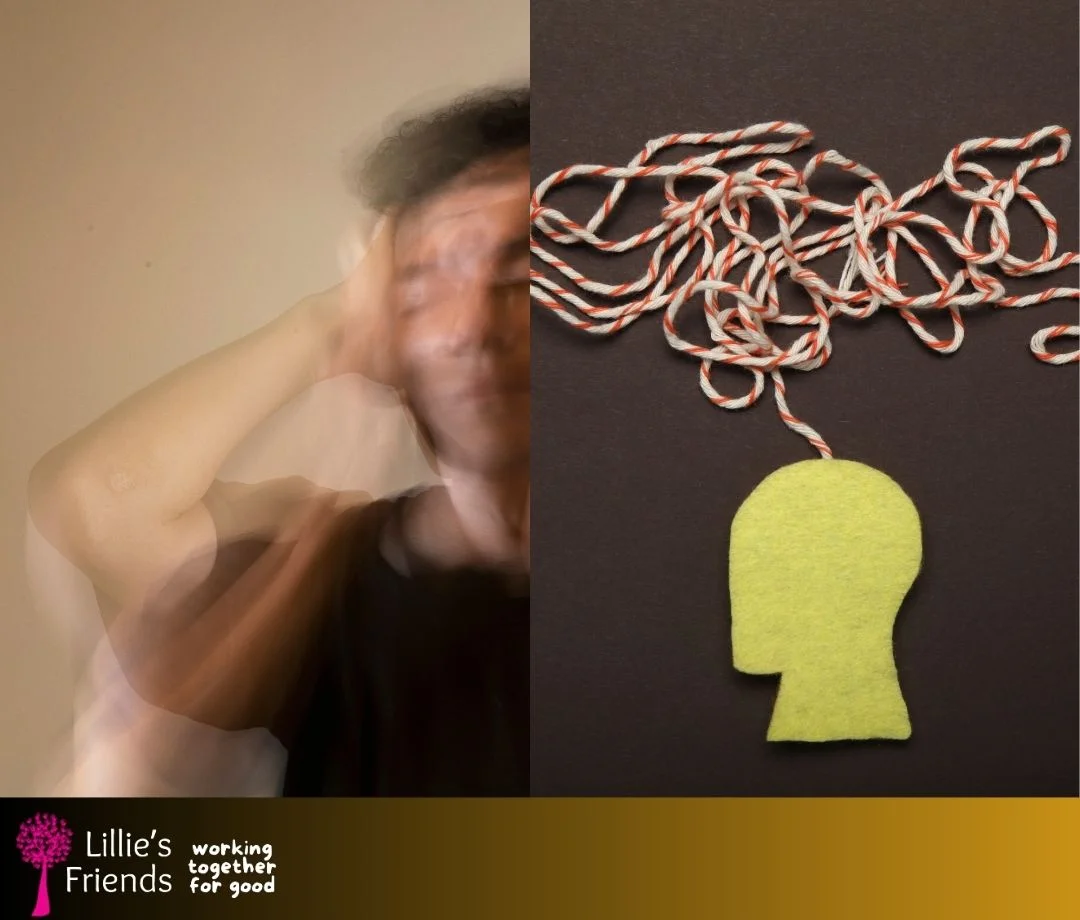
The aspects of a person’s life that each region of the brain regulates are impacted by the changes that occur in those parts when they are depressed. Thankfully, the damage may be reversed and the brain rewired to normal functioning with early, successful therapy . Medication, counseling, and adopting healthier lifestyle choices are all part of the treatment.
A 2016 study found that antidepressants and cognitive behavioral therapy can help restore the inflammation and chemical abnormalities in the brain brought on by depression. These could also aid in the brain’s ability to repair newly formed connections that were harmed during depressive episodes.
In order to help patients manage stresses and deal with the stigma associated with depression, cognitive and group therapy employ a variety of strategies. Among the most popular methods are:
These techniques assist a person in determining which aspects of their life have contributed to ongoing stress. They also assist people in finding strategies to live a stress-free life and handle situations with greater assurance, comfort, and foresight.
Regular exercise also offers major health advantages for controlling psychological symptoms and brain alterations that occur with depression. Among the advantages are:
Depression has a profound effect on the way the brain works , altering everything from the size of certain areas to the neurotransmitters and oxygen delivery to the brain. Your capacity to carry out regular everyday tasks is jeopardized by these consequences, which also make you powerless to stop them from negatively impacting your relationships, productivity, emotions, and more.
If left untreated, these brain alterations that can happen during depression might negatively affect your overall health and brain function for a long time. Fortunately, these alterations may be reversed with early intervention and a mix of treatment modalities. To begin depression therapy as soon as possible, get in touch with qualified practitioners.