Evidence Based


 Updated on:
22.08.2025
Updated on:
22.08.2025
 8 min read
[medical_disclaimer title=”Medical Disclaimer”]The medicines listed on this website are only there to give you knowledge. Just because they are on the list doesn’t mean that anyone will be given them; in the end, treatment decisions are up to the healthcare workers. The medicines on this list are not all of them. Doctors may recommend other drugs, even ones that don’t contain stimulants, depending on the patient’s specific health needs and circumstances.[/medical_disclaimer]
The drug fluoxetine is sold under the brand name Prozac. It is an SSRI, which stands for selective serotonin reuptake inhibitor. In the United States, Prozac first came out in 1988. It quickly became one of the most commonly recommended antidepressants . This drug is still popular, even with newer options like sertraline and citalopram. Doctors prescribe Prozac to people with a variety of illnesses, including sadness and anxiety conditions.
There are some bad effects that come with taking Prozac, though. This article will cover the drug’s uses, effects, and safety tips.
Prozac is an antidepressant that you can only get with a prescription. It is a selective serotonin reuptake inhibitor (SSRI). It was first created to help people with depression , but now it’s often suggested to help with several other conditions as well. It helps get rid of the signs of anxiety and obsessive-compulsive disorder by changing neurotransmitters, which are chemicals that brain cells use to talk to each other.
There is also Fluoxetine HCL, which is a common form of Prozac. It comes in the form of pills, a delayed-release tablet, a capsule, and a solution.
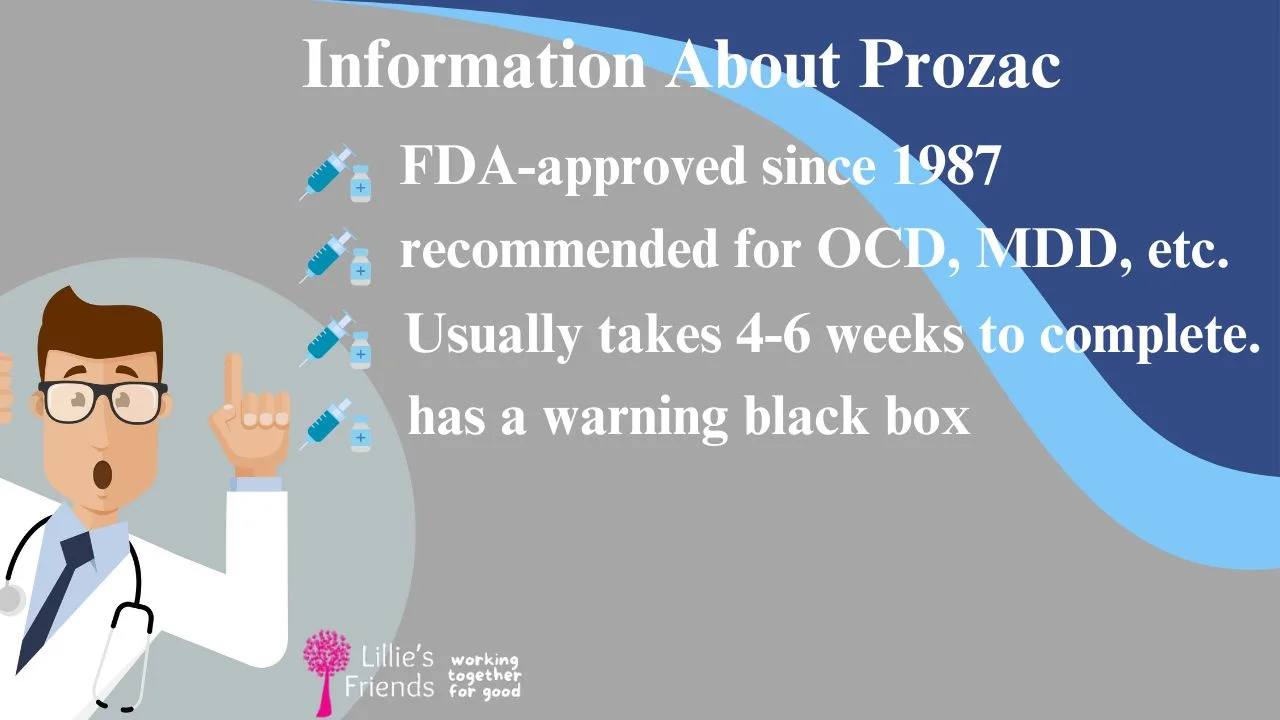
This is what the Food and Drug Administration (FDA) said about Prozac in 1987:
Off-label, Prozac frequently treats the following conditions:
Prozac is an SSRI that works by changing the way neurons in the brain receive serotonin to lessen or get rid of depressive symptoms. Serotonin is a neurotransmitter , which means it is a chemical that helps brain cells “talk” to each other. When Prozac stops the intake of serotonin, it improves the connection between brain cells, which helps keep mood stable.
It is also known to trigger brain cells in the hippocampus, a part of the brain that helps you remember things. People who take Prozac may feel better physically and mentally. For example, they may have more energy, a better mood, better sleep and eating habits, and a renewed interest in things they used to enjoy.
It takes time for Prozac to change the amount of serotonin in the brain and improve depressed symptoms. Although many patients expect to feel better quickly, this medicine is meant to be taken for a long time and usually takes between 4 and 6 weeks to fully work.
Prozac can help with the physical signs of sadness as quickly as one or two weeks. These include sleep, hunger, and energy levels that change all the time.
Consider the patient’s age, medical history, and the illness they are treating when determining the optimal dose. Most people with depression take between 10 and 20 milligrams (mg) orally once a day in the morning. If the symptoms don’t go away after a few weeks, the dose may be raised. Most individuals require a daily dose of 20 mg to 60 mg, with a daily maximum of 80 mg. You can also get Prozac in the form of a 90 mg delayed-release oral pill that an adult takes once a week to treat sadness.
Note: Your doctor is the only one who can tell you the right dose for your situation.
Despite its effectiveness, fluoxetine has unavoidable side effects . It can occasionally result in serious side effects in addition to frequent and minor ones.
|
Serious Side Effects
|
|
|
|
Black Box Alert A black box warning from the FDA is the worst kind of warning a medicine can have.
Drug makers are often told by the government to put a strong warning on the drug’s label and patient instruction sheets if there are any major or life-threatening risks associated with using the drug.
In October 2004, the FDA put out a public warning for teens who were taking antidepressants. Two years later, the warning was widened to include young people up to 24 years old. It is more likely that someone will think about or do something dangerous in the first one to two months after starting to take Prozac, according to the black box warning.
Drug interactions may change the way your prescriptions function or raise the risk of serious side effects . Before using any other prescription medicine, you should discuss fluoxetine with your doctor or pharmacist since it may interact with a variety of drugs because it stays in your system for many weeks after your last dose.
Prozac and the following drugs may have dangerous interactions when used together:
The medication may cause withdrawal symptoms when a person stops using it. The rapid shift in serotonin levels that follows the cessation of certain antidepressants causes these symptoms . Accordingly, some persons who stop using Prozac may have withdrawal symptoms. The symptoms of fluoxetine/Prozac withdrawal might differ in their onset, intensity, and duration.
Withdrawal symptoms from fluoxetine or any other SSRI may include the following when stopped:
Before beginning Prozac, go over the following concerns with your doctor to help them decide whether this medicine is right for you.
Prozac is a great drug for anxiety and depression, but it has some side effects that must be considered. If any of these adverse effects occur, medical attention may be necessary.