Evidence Based


 Updated on:
19.08.2025
Updated on:
19.08.2025
 11 min read
Estimates of the incidence of selective mutism, a rare mental illness that mostly affects youngsters, range from 0.2% to 1.6%. On the other hand, it may persist into adulthood if untreated. Although it is often linked to social anxiety , it is a distinct mental health illness with its own special characteristics.
The ins and outs of adult selective mutism will be covered in detail in this article, along with solutions.
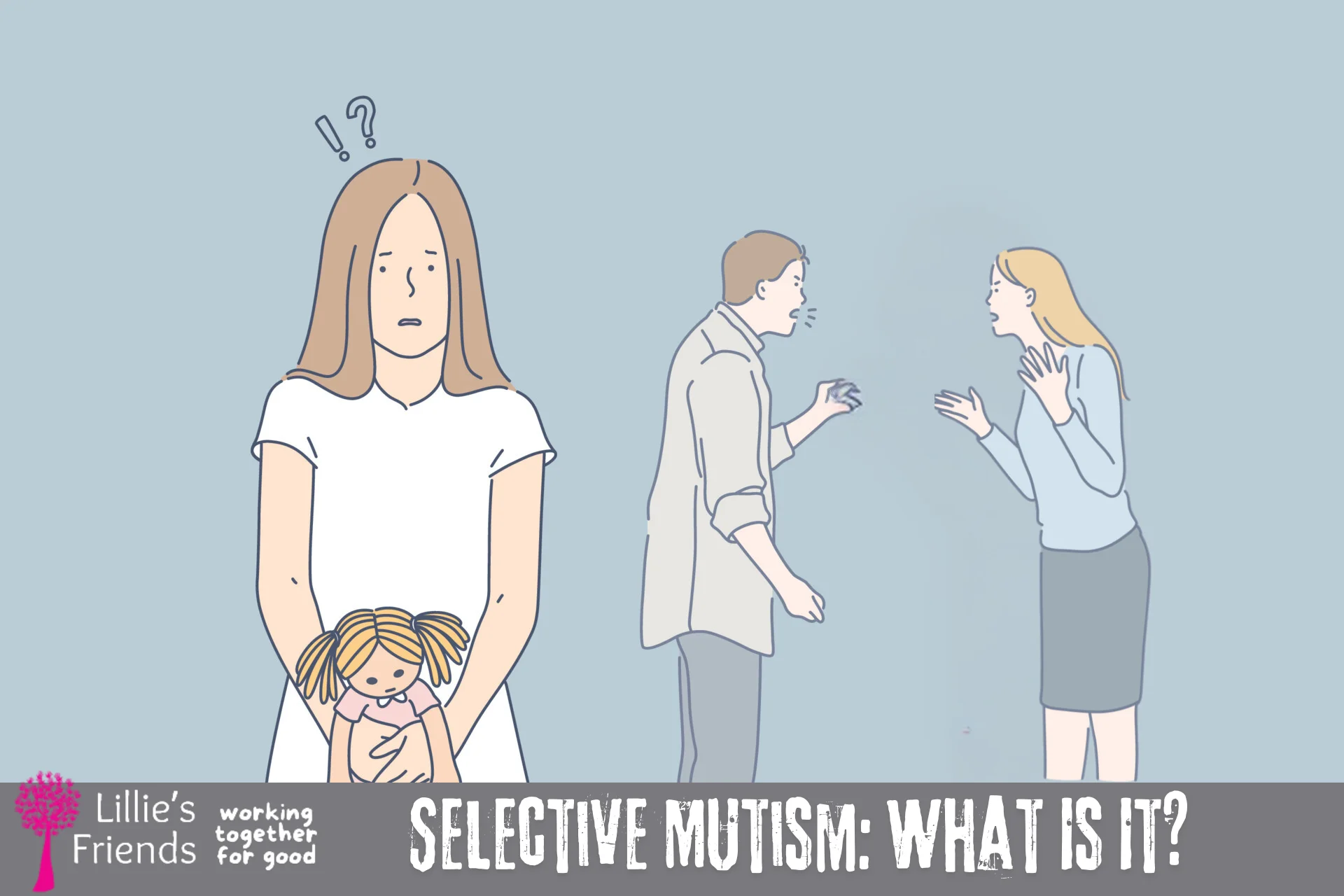
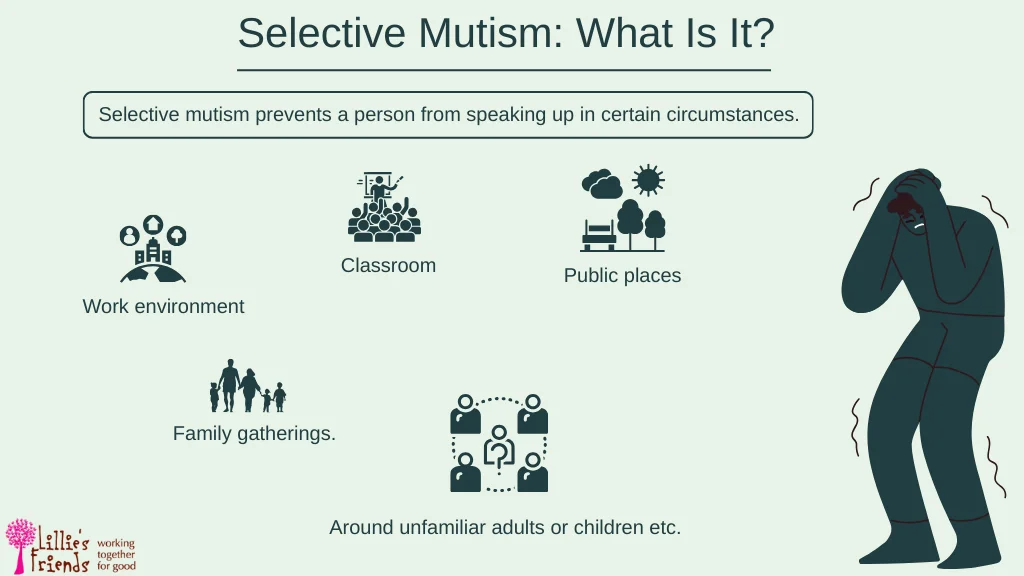
A psychiatric disorder known as selective mutism causes a person to become silent in certain contexts. It might occur in a family gathering, the workplace, or a school when someone is expected to contribute to the discourse but doesn’t. In every other situation, speaking comes naturally to the individual, and they express themselves fearlessly.
An adult with selective mutism may exhibit the following signs and symptoms:
Since selective mutism often manifests in later life, childhood influences are typically connected to the causes of selective mutism in adults. Although the precise etiology is unknown, it is linked to the following frequent triggers.
In addition to these risk factors, particular ideas about the genesis of selective mutism exist . Let’s just go over them.
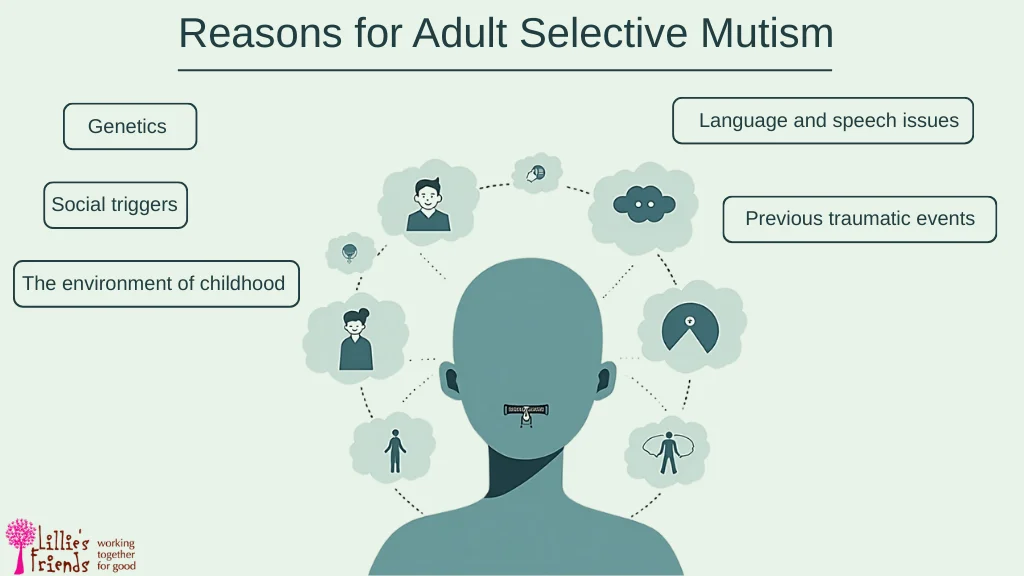
The Diagnostic and Statistical Manual of Mental Health Disorders (DSM) formerly included selective mutism under the heading of “Disorders of childhood and adolescence.” The most recent version of the DSM (5) included selective mutism in the category of anxiety disorders due to its worrisome aspect. The most recent version of the DSM (5) has also lifted the restrictions on its diagnosis, allowing adults to receive an assessment and diagnosis.
To qualify as selectively silent, an adult must have the following characteristics:
In certain social contexts, adults who suffer from selective mutism don’t strike up a discussion or react to others. When evaluating a patient with selective mutism, clinicians most often also diagnose an anxiety illness, most frequently social anxiety disorder.
Mental health experts may provide the following questions to the patient or family members to determine whether or not they exhibit selective mutism:
Standardized tests to determine if an adult is selectively mute are nonexistent. Selective mutism may only be evaluated and diagnosed using DSM criteria by a mental health professional after a thorough interview with the patient or their family members. By using the SmartCare symptom checker to complete our brief exam, you may get a rough overview of your mental health.
Health care providers find it difficult to differentiate selective mutism from other psychiatric disorders have similar traits. Consequently, doctors often diagnose both selective mutism and another mental illness simultaneously. Nonetheless, selective mutism differs from other situations in a few minor ways:
| Comparison Point | Defining Trait | Selective Mutism Contrast |
|---|---|---|
| Elective mutism | Possesses speaking ability but opts for silence in specific contexts. | Experiences an inability to speak in certain public environments despite the desire to. |
| Neurogenic mutism | Results from damage or dysfunction within the brain. | Originates from psychological factors, lacking a physical cause (considered psychogenic). |
| Traumatic mutism | A transient period of speechlessness following a distressing experience. | Persistent inability to speak in certain contexts, which may or may not relate to previous trauma. |
| Social Anxiety | Involves steering clear of social interactions primarily out of fear or apprehension. | Manifests as silence (mutism) in specific scenarios driven by anxiety. |
| Shyness | Discomfort typically lessens once accustomed to a specific social environment. | The difficulty speaking persists even after an initial acclimatization period has passed. |
| Communication Disorders | Difficulties with speech production or understanding occur consistently across various settings. | The inability to speak is restricted mainly to specific social situations or contexts. |
| Autism Spectrum Disorder | Often involves distinct behavioral patterns alongside challenges in social communication. | While social anxiety may be present, core behavioral issues typical of ASD are not defining features. |
Adults with selective mutism get multimodal therapy. The main treatments for this mental health issue are counseling and medication, much as for the majority of anxiety disorders.
Several treatments are in use to address speech difficulties in specific contexts. These include the following successful treatments:
Cognitive behavioral therapy, or CBT , is a problem-solving, action-oriented talking treatment that aids in patients’ understanding of the disease. Under the supervision of a licensed therapist, adults may acquire various coping mechanisms to handle stressful events that cause selective mutism. Several behavioral strategies are used to enhance speech abilities in certain contexts, such as
The main emphasis of psychodynamic therapy is on in-depth examinations of the personal elements that influence and determine behavior. The aim is to assist the patient in seeing how memories from the past impact behavior in the present. It assists in resolving internal issues that may have originated from a difficult upbringing. Psychodynamic treatment can shed light on the ingrained childhood factors that could be the primary cause of adult selective mutism.
When internal family variables are important in the development and reinforcement of selective mutism, family therapy may be very helpful in such instances. Parental and sibling cooperation and understanding go a long way toward helping the youngster overcome avoidance and anxiety. Treatment for avoidant and anxious behavior may be more successful when friends and family are involved.

Experts often recommend speech-language therapy for individuals with selective mutism, in addition to behavioral therapy. It makes people more at ease while conversing in awkward circumstances.
Adults with selective mutism are often treated pharmacologically with antidepressants such as selective serotonin inhibitors (SSRIs). In some circumstances, these drugs assist people in breaking through the speech barrier by regulating the neurochemical levels in the brain, which enhances mood and cognitive function. When provided alongside therapy and counseling, they are much more advantageous. Several case reports have reported a reduction in selective mutism symptoms due to the use of SSRIs. For treating muted behavior, fluoxetine and fluvoxamine are the most often given drugs.
You may use some self-help techniques to lessen the signs of silent conduct.
According to the DSM-V, selective mutism is an uncommon anxiety condition that is often seen in youngsters but may also be diagnosed in adults. Its defining trait is its incapacity to carry on a discussion in a particular setting. If left untreated, selective mutism may have negative effects on one’s social and academic life, as well as emotional and medical assistance.