Evidence Based


 Updated on:
18.08.2025
Updated on:
18.08.2025
 7 min read
A common mental health illness called generalized anxiety disorder (GAD) is characterized by excessive, unrelenting worry about a variety of everyday situations. Unlike specialized phobias or panic disorders, which usually have identifiable triggers, generalized anxiety disorder (GAD) is not limited to a single worry or experience. Rather, it permeates a person’s daily existence, potentially upsetting their personal, academic, and professional lives.
The National Institute of Mental Health (NIMH) estimates that 5.7% of adult Americans have had generalized anxiety disorder at some point in their life. Women are diagnosed with it more often than males since they are twice as vulnerable. It is acknowledged as a chronic illness that might last for many years or perhaps a lifetime, particularly in the absence of suitable therapy.
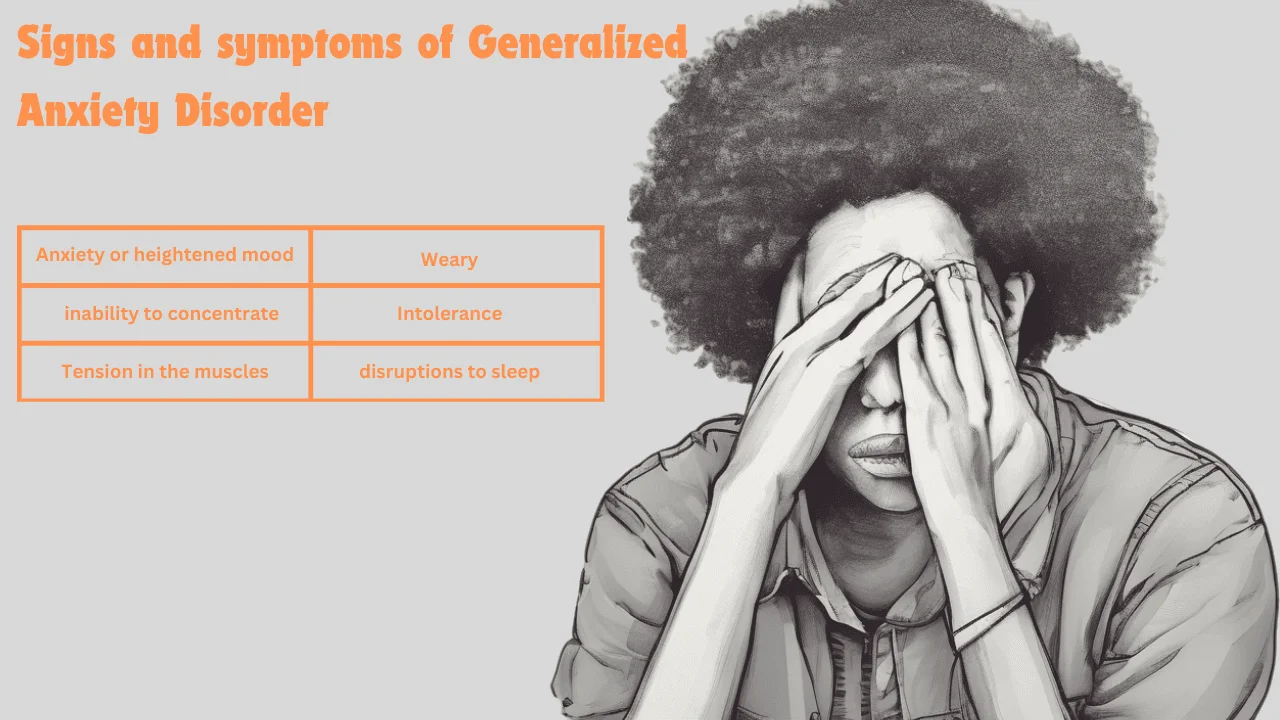
Adults with generalized anxiety disorders may exhibit a range of psychological, emotional, and physical symptoms. The primary indicator is persistent and severe anxiety over many aspects of life, including work, health, family, finances, and education. The anxiety is usually greater than the actual likelihood or effects of the circumstance causing the fear.
In addition to mental symptoms, people with GAD may also have a range of physical ones, such as
These symptoms must cause significant discomfort or interfere with everyday activities for a minimum of six months to be officially diagnosed as GAD.
Given that the symptoms of generalized anxiety disorder might coincide with those of other mental health illnesses, diagnosing it can be challenging. This is a detailed comparison between generalized anxiety disorder (GAD), panic disorder, post-traumatic stress disorder , and other conditions.
Tension and concern are frequent characteristics of anxiety, which often arises in reaction to stimuli. Conversely, generalized anxiety disorder is a mental health illness characterized by persistent, excessive concern that interferes with day-to-day functioning. In contrast to typical stress-related anxiety, generalized anxiety disorder (GAD) does not go away and often centers on issues related to family, money, or health.
Although major anxiety is a feature of both GAD and panic disorders, they are not the same. Anxiety that is episodic and manifests as abrupt panic episodes that are physically and emotionally distressing is known as a panic disorder . In contrast, GAD is characterized by chronic, persistent anxiety that is accompanied by excessive concern over a wide range of life conditions.
Usually brought on by a terrible experience, post-traumatic stress disorder (PTSD) manifests as intense anxiety, nightmares, and flashbacks. In GAD, anxiety is often more sporadic and unrelated to a single incident that occurs in various daily contexts.
The hallmarks of OCD are a pattern of unrelenting, recurrent thoughts known as obsessions and compulsive, repetitive behaviors that follow the obsessions. While high levels of concern are shared by both OCD and GAD, OCD is characterized by intrusive thoughts and habitual actions, while generalized anxiety disorders are characterized by pervasive distress.
There is still much to learn about the specific causes of GAD. It is believed that several interrelated elements contribute to its development. Among them are
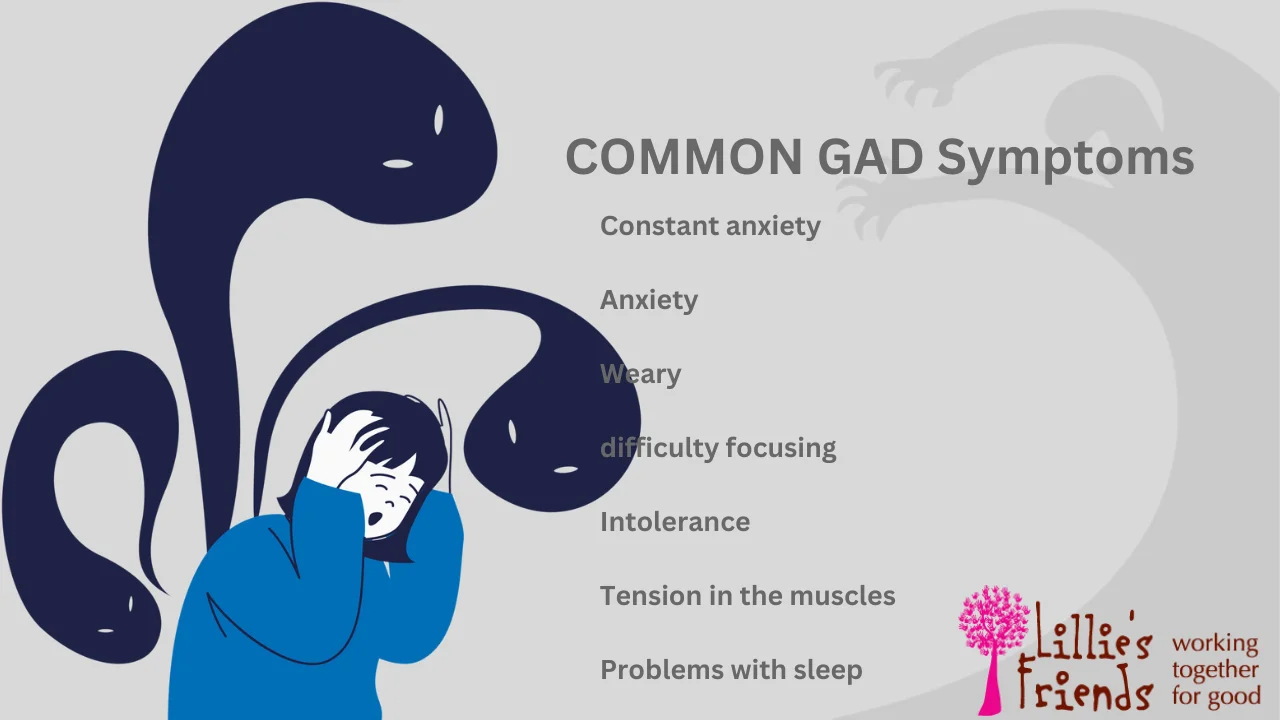
To diagnose a generalized anxiety disorder, the following procedures are usually followed:
Treatment for Generalized Anxiety Disorder (GAD) is often all-encompassing, frequently combining medication, psychiatric counseling, and customized lifestyle modifications .
Generalized anxiety disorder responds extremely well to cognitive behavioral treatment (CBT). It teaches individuals how to think and act differently in anxious circumstances. CBT may also assist in understanding and treating the bodily manifestations of anxiety.
GAD may be treated with the sorts of drugs listed below:
Anxiety may be controlled by regular exercise, a balanced diet, abstaining from alcohol and caffeine , keeping a regular sleep pattern, and engaging in mindfulness and yoga.
If left untreated, generalized anxiety disorder may have a major negative influence on a person’s quality of life. The chronic nature of this illness and its effects on both physical and mental health may cause several issues, including:
While it may not always be possible to avoid generalized anxiety disorders, there are steps you can take to lower your risk and improve symptom management.
Stigmatized individuals often face rejection and discouragement from seeking treatment. However, it’s crucial to understand that anxiety is curable. Speaking with a healthcare professional enables more than just getting an accurate diagnosis, figuring out what causes the condition, and selecting the best course of action.

Anxiety may have the effect of a continuous, erratic mental alert that is upsetting and uncomfortable on both a physical and emotional level. Individuals suffering from generalized anxiety disorder may have intrusive concerns, exhaustion, agitation, and difficulty falling asleep. They might struggle to unwind, often overanalyze and magnify small things, and struggle in social situations. Recall that there are treatments for anxiety disorders, and if your symptoms are severe enough to interfere with your everyday life, you should get help from a specialist.
Indeed, GAD sufferers may have happy, fulfilled lives. Sufficient management of symptoms and mitigation of the illness may be achieved with appropriate treatment, including medication, psychotherapy, and self-help coping skills.
Abnormal and persistent concern about a range of commonplace scenarios is one of the early warning indicators of generalized anxiety disorders. For instance, a person may worry unnecessarily about their family’s safety, their health, or the stability of their work. Uncontrollably worrying may cause bodily symptoms including weariness, restlessness, and insomnia.
Anyone may have GAD, although some people are more vulnerable than others. GAD is diagnosed in women more often than in men. Although the condition may start at any age, it usually manifests itself between childhood and maturity. Having a close family member with GAD might raise one’s risk due to genetic reasons. Individuals who have gone through hardship or trauma, especially as children, are more vulnerable.
While GAD is a chronic disorder characterized by excessive worry that interferes with everyday living, anxiety is a natural reaction to stress. Regardless of particular causes, GAD remains and often affects family, economics, or health. Diagnosis occurs when such intense concern continues for six months or more.